Most common hidden defects in homes in Montreal
Even if you fall in love with a house, you know that the age of Montreal’s homes is a sword of Damocles. Hidden defects aren’t visible flaws; they’re well-hidden ones that can have serious consequences. They often only become apparent when major renovations are underway, such as a foundation renovation or adding a new floor. No matter how closely you inspect everything, you can easily overlook an insulation problem or a construction defect from the past. We’re here to help you identify them before they become a financial nightmare.
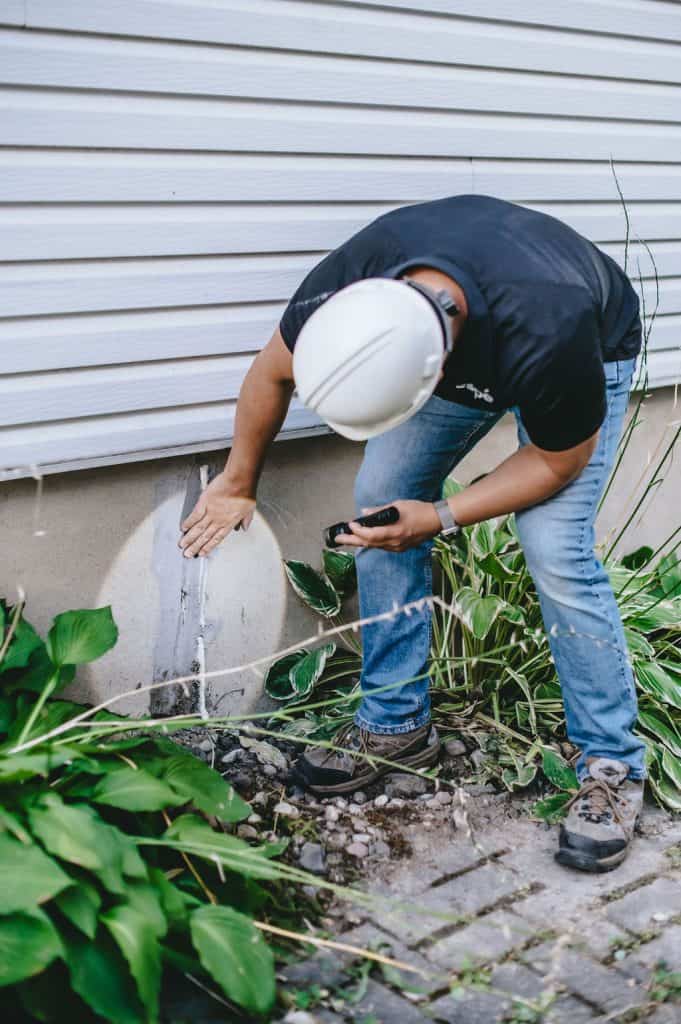
What is a hidden defect? We'll enlighten you!
We know how distressing it can be to discover an unexpected problem in your home. This is called a hidden defect. It’s a significant flaw, already existing at the time of purchase, but not apparent. It’s so significant that it renders the home unusable or significantly reduces its value. As we know, the seller may have ignored it or deliberately concealed it. In any case, the buyer was not informed of the problem before purchasing their home.
The Moment of Discovering a Hidden Defect: When Renovations Reveal the Secrets
We admit, we’re often the first to witness these discoveries. It’s when demolishing a wall, opening up a ceiling, or touching the foundation that these hidden problems are revealed. New homeowners, full of enthusiasm at the idea of renovations, suddenly find themselves faced with a costly surprise. This is when our expertise becomes crucial. We’re here to support them, analyze the situation, and find the most appropriate solutions.
We’re at your side, ready to guide you through every step to ensure these discoveries don’t turn into a nightmare.
Smart tips to avoid surprises during renovations
To avoid any surprises, the best thing to do is to be prepared. We’ve listed the crucial points to watch for:
Pre-purchase inspection: Even if you’ve already bought a home, it’s worth having a trained eye. Ideally, you should hire a certified home inspector. This is a crucial step to detect hidden defects and get a better idea of the home’s overall condition. We also offer pre-purchase support if you want to be reassured.
Documents: Take the time to read the inspection report, as well as the seller’s declaration. Keep an eye out, as the seller must declare what they know about the home’s history.
Vigilance during construction: This is often when the truth comes out. When you start working on the structure or walls, you may discover water infiltration problems, cracked foundations, or even non-existent insulation.
A transparent contractor: This is where we come in. We’re trained to spot the signs that don’t lie. When we begin a renovation, we’re proactive and inform you immediately if we discover anything abnormal. We’re by your side to find the best solution. We’re here to help you avoid unexpected costs and unpleasant surprises.
The most common hidden defects encountered during home renovations in Montreal
As renovation contractors, we’ve seen it all! But some problems recur more often than others, especially in older Montreal homes. Here are the most common hidden defects we discover during renovations.
1. Water infiltration in the basement
This is probably the most common problem. When opening up basement walls or floors, we come across cracks, damp patches, or efflorescence. This indicates a waterproofing problem that may be caused by poor foundations or cracks. These situations, if not addressed quickly, can cause significant damage to the structure of the house.
2. Missing or defective French drain
As we know, older homes are not equipped in the same way as newer ones. It’s not uncommon to discover that a house over 50 years old doesn’t have a French drain. And even when one exists, it can be clogged or poorly installed, making it impossible for water to drain around the foundation. The absence or malfunction of this drainage system is a major cause of water infiltration and foundation problems.
3. Damage caused by a leaking roof
Whether flat or sloped, a leaking roof is a source of problems. A small leak can go unnoticed for years and wreak havoc. We’ve seen completely damaged ceilings, waterlogged walls, and even mold problems that developed due to a roof that let water through.
4. Mold, the invisible enemy
Mold is often the result of another hidden defect, mainly water infiltration. It can hide behind walls and floors, and discovering it during a renovation is an unpleasant surprise. It’s a health problem that shouldn’t be overlooked. You should always find the source of the problem before tackling mold removal.
5. Poorly managed load-bearing walls
We often want to expand our living space. But when a load-bearing wall is removed without adequate compensation, that’s when the problems begin. Cracks, creaking, or structural subsidence can appear. This happens more often than you think, and these situations are serious. We always have a structural engineer with us to ensure we can remove a load-bearing wall properly and avoid this type of problem.
We’re here to help you gain clarity and find solutions to ensure your home is both beautiful and safe.
Is the presence of asbestos or vermiculite a hidden defect?
Let’s clarify one important point right away: the presence of asbestos or vermiculite is not a hidden defect. As we know, these materials are only dangerous when touched, such as during renovations. As long as they are in place and in good condition, they are not considered harmful enough to be classified as a hidden defect.
What to do when faced with a hidden defect?
No matter how careful we are, sometimes we discover a hidden defect during construction. When this happens, we have a duty: we must report it to the previous owner. It’s crucial not to delay; it’s crucial. The previous owner has the right to identify the problem and make the repairs themselves. That’s why we insist: never carry out any corrective work before reporting it to them. If we act too quickly, we lose our recourse.
And what about legal action?
Most discoveries of hidden defects do not lead to legal action. Litigation is costly and time-consuming. Often, the cost of repairs doesn’t justify a legal battle. That’s why we advise you to always seek an amicable settlement with the former owner.
We’ve told you this before, but we’ll say it again: the best way to avoid trouble is to have a professional inspection carried out before purchasing. If, despite all precautions, you find yourself faced with a hidden defect, don’t hesitate to consult a lawyer. They can help you draft the formal notice and navigate the process to obtain justice.
Tell us about your project
Every project is a story. A meeting between your vision and our expertise. In Montreal and the surrounding area, we bring to life renovations that combine aesthetics, functionality, and durability.